
How to Forgive Someone Who Hurt You: 7 Biblical Steps to Freedom
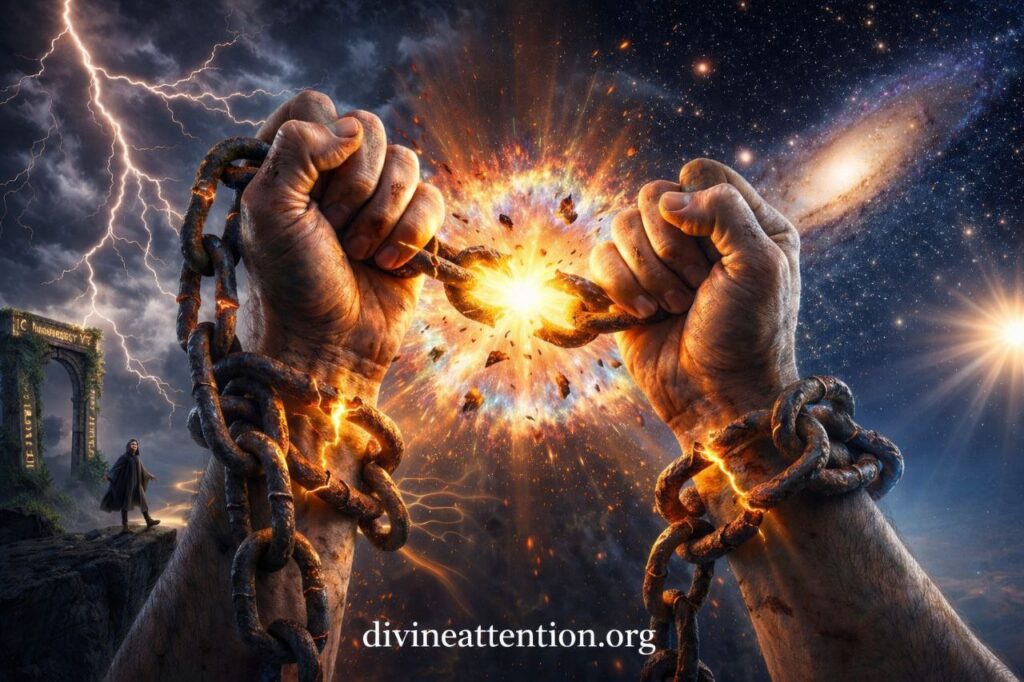
Are you carrying a wound that has become a prison? Has unforgiveness taken root in your heart and started to cost you more than the original offence? This message was written for you.
Matthew 6:14–15 · Ephesians 4:31–32 · Colossians 3:13 · Luke 23:34 · Mark 11:25
| “And be kind to one another, tenderhearted, forgiving one another, even as God in Christ forgave you.” |
| Ephesians 4:32 (NKJV) |
Why This Message Exists
Someone hurt you.
Maybe it was a parent who abandoned you. A spouse who betrayed you. A friend who stabbed you in the back. A church leader who abused their position. A colleague who destroyed your reputation.
The pain is real. The wound is deep.
“Unforgiveness is a prison you live in – but the other person has the key.”
This message exists to answer one question: How do I forgive someone who broke my heart and never said sorry?
Forgiveness is one of the most searched topics on the internet – and one of the most misunderstood concepts in Christianity.
Many people carry the weight of unforgiveness for years, even decades – not because they want to hold on to it, but because no one ever showed them what biblical forgiveness actually means, what it does not mean, and how to walk it out practically.
This message is going to answer those questions from the Word of God.
Because Jesus did not just command us to forgive – He modelled it from the Cross when He said, “Father, forgive them, for they do not know what they do” (Luke 23:34).
And in Matthew 6:14–15, He made something unmistakably clear: our forgiveness from God is directly connected to our willingness to forgive others.
| SAVE THIS MESSAGE |
| Save this message – you will need it on the day the memories come back. |
| Share it with someone who is struggling to forgive. |
| THIS MESSAGE IS FOR YOU IF… |
| You still rehearse what they did in your mind, replaying it over and over. |
| You feel spiritually stuck – your prayers feel blocked, your worship feels hollow. |
| You know you must forgive, but you genuinely do not know how. |
🔥 Related Prayer Points


| WHAT THIS MESSAGE COVERS |
| Key Bible Verses on Forgiveness |
| What Forgiveness Is NOT – Clearing Up the Myths |
| What Forgiveness Actually IS – The Biblical Definition |
| 5 Real Costs of Unforgiveness |
| How to Forgive Someone Who Hurt You – 7 Biblical Steps |
| When the Person Who Hurt You Is Still in Your Life |
| Declaration of Forgiveness and Freedom |
| Prayer of Forgiveness and Release |
| FAQ – Frequently Asked Questions About Forgiveness |
| Share This Message |
| If you walk through these steps, you will not only forgive – you will walk out of the prison of your past. |
Key Bible Verses on Forgiveness
Let the Word of God become your foundation before we go any further. These are the key scriptures on forgiveness that this entire message is built on:
- Matthew 6:14–15 – “If you forgive men their trespasses, your heavenly Father will also forgive you. But if you do not forgive men their trespasses, neither will your Father forgive your trespasses.”
- Ephesians 4:31–32 – “Let all bitterness, wrath, anger, clamour, and evil speaking be put away from you… forgiving one another, even as God in Christ forgave you.”
- Colossians 3:13 – “Bearing with one another, and forgiving one another… even as Christ forgave you, so you also must do.”
- Mark 11:25 – “Whenever you stand praying, if you have anything against anyone, forgive him, that your Father in heaven may also forgive you.”
- Luke 23:34 – Jesus from the Cross: “Father, forgive them, for they do not know what they do.”
- Romans 12:19 – “Vengeance is Mine, I will repay, says the Lord.” You do not need to carry it.
- Matthew 18:21–22 – Peter asked if forgiving seven times was enough. Jesus said: seventy times seven.
- Psalm 103:12 – “As far as the east is from the west, so far has He removed our transgressions from us.”
What Forgiveness Is NOT – Clearing Up the Myths
Before people can forgive, they often need to unlearn what forgiveness is not. These myths are the most common reasons believers stay stuck in unforgiveness:
1. Forgiveness Is NOT Saying What They Did Was Okay
Forgiving someone does not mean you are approving of their behaviour, minimising the harm they caused, or pretending the offence did not happen.
What was done to you may have been genuinely wrong, genuinely sinful, and genuinely damaging.
Forgiveness does not change that verdict. It simply means you are releasing the right to punish into God’s hands.
“Forgiveness is not saying ‘it was nothing.’ It is saying: ‘it was serious – but it will not own me anymore.’”
2. Forgiveness Is NOT Forgetting
The popular phrase “forgive and forget” is not actually in the Bible.
When God says in Jeremiah 31:34 that He will “remember their sin no more,” He is making a sovereign choice not to hold it against them – not claiming He has lost the memory.
You may remember what happened for the rest of your life. True forgiveness does not require amnesia – it requires releasing the debt.
3. Forgiveness Is NOT Automatic Trust
Forgiving someone does not mean you are obligated to immediately restore them to the same level of access and trust they had before they hurt you.
Trust is earned over time through consistent, changed behaviour.
You can fully forgive someone and still maintain wise, appropriate boundaries. These are not contradictions – they are wisdom.
4. Forgiveness Is NOT Conditional on an Apology
Jesus did not wait for the soldiers to apologise before He prayed for their forgiveness from the Cross.
Stephen did not wait for his executioners to say sorry before he declared, “Lord, do not charge them with this sin” (Acts 7:60).
Biblical forgiveness is unilateral – it is a decision you make regardless of whether the other person ever acknowledges what they did.
“God does not ask you to forget. He asks you to release.”
5. Forgiveness Is NOT Weakness
It takes more strength to forgive than to hold a grudge. Anyone can be bitter – it requires no courage, no character, and no spiritual maturity.
Choosing to release someone who wronged you, especially when they have not apologised, is one of the most powerful acts a human being can perform.
It is the nature of God Himself reproduced in a human life.
| “Forgetting those things which are behind and reaching forward to those things which are ahead, I press toward the goal for the prize of the upward call of God in Christ Jesus.” |
| Philippians 3:13–14 (NKJV) |
What Forgiveness Actually IS – The Biblical Definition
If those are the myths, what is the truth? Here is what biblical forgiveness actually means:
| BIBLICAL DEFINITION OF FORGIVENESS |
| Forgiveness is a deliberate, Spirit-enabled decision to release a person from the debt they owe you for the wrong they did, to surrender the right to punish them into God’s hands, and to refuse to allow their offence to define your future. |
The Greek word most commonly translated as “forgive” in the New Testament is aphiemi – which literally means to release, to send away, to let go.
Forgiveness is an act of releasing. You are not holding on to the debt anymore. You are not keeping a ledger of what they owe you. You are not waiting for the day you can collect.
Colossians 3:13 gives us the standard: “Forgiving one another, even as Christ forgave you.” How did Christ forgive you? Completely. Freely. Without requiring you to earn it first. Without bringing it up again. Without using it as leverage.
That is the model. That is the target.
And here is the most important thing to understand about forgiveness: it is primarily for you, not for them.
The person who hurt you may never apologise. They may never change. They may not even be alive anymore. But the bitterness you carry in response to what they did is living inside you – and it is doing its damage there.
5 Real Costs of Unforgiveness
Unforgiveness feels like a prison you put the other person in. But they have the key and they are on the outside.
Here are five things unforgiveness costs you:
1. It Blocks Your Own Forgiveness
Matthew 6:15 is one of the most sobering verses in the Gospels: “If you do not forgive men their trespasses, neither will your Father forgive your trespasses.”
Jesus links the flow of God’s forgiveness toward us directly to our willingness to extend it to others. This is not a small thing. This is a kingdom principle with eternal weight.
2. It Poisons Your Prayer Life
Mark 11:25 says: “Whenever you stand praying, if you have anything against anyone, forgive him.”
Unforgiveness is one of the most common barriers to answered prayer. When bitterness is present in your heart, it creates a ceiling over your communication with God.
You cannot fully receive from God while refusing to release others.
3. It Gives the Enemy a Legal Foothold
Ephesians 4:26–27 warns: “Do not let the sun go down on your wrath, nor give place to the devil.”
Prolonged unforgiveness is one of the specific entry points the Bible identifies for demonic influence. The devil does not create your bitterness – but he will absolutely use it as a landing strip.
4. It Keeps You Chained to the Person Who Hurt You
Every time you rehearse the offence, replay the memory, or revisit the wound in your mind, you are giving the person who hurt you continued rent-free space in your head.
Unforgiveness does not punish them – it punishes you.
The only way to truly be free from what they did is to release them.
5. It Hardens Your Heart Toward God
Hebrews 3:13 warns against a “hardened heart through the deceitfulness of sin.”
Long-term bitterness does not just damage your relationships with people – it calcifies your heart spiritually.
People who carry deep unforgiveness often find their worship becoming hollow, their Word becoming dry, and their sensitivity to the Holy Spirit fading.
The root of bitterness defiles many things (Hebrews 12:15).
| THE PARABLE OF THE UNFORGIVING SERVANT – MATTHEW 18:23–35 |
| Jesus told the story of a servant who was forgiven a debt of millions by his master, then immediately went and threw a fellow servant in prison for a small debt. When the master heard, he handed the unforgiving servant over to the torturers. |
| Jesus closed the parable with: “So My heavenly Father also will do to you if each of you, from his heart, does not forgive his brother his trespasses.” |
| This parable is not about losing salvation – it is about the spiritual torment that unforgiveness opens the door to. |

How to Forgive Someone Who Hurt You – 7 Biblical Steps
Forgiveness is not a single moment – it is often a process. Here are seven biblical steps to walk through it:
Step 1: Acknowledge the Full Weight of What Was Done to You
Do not minimise it. Do not spiritualise it away prematurely.
Before you can genuinely release a debt, you have to name it. Sit before God and say honestly: this is what was done to me, this is the damage it caused, and this is how it made me feel.
God can handle your honesty. The Psalms are full of it. Acknowledge the wound fully – that is the first step toward healing it.
📌 Right now, before God, name what happened. Say it plainly. He already knows – but you need to say it.
Step 2: Remember How Much You Have Been Forgiven
Ephesians 4:32 instructs us to forgive “even as God in Christ forgave you.”
The measure of God’s forgiveness toward us is the standard we are called to extend to others.
When you meditate on the enormity of what God has released you from – every sin, every failure, every word, every thought – the debt of another person begins to look different.
📌 Pause and say: “God forgave me for [something real]. I am choosing to do the same.”
Step 3: Make a Deliberate Decision to Forgive
Forgiveness is not a feeling – it is a decision.
You do not wait until you feel like forgiving. You choose to forgive as an act of your will, in obedience to God, by faith.
Say it out loud if you need to: “I choose to forgive [name] for [what they did]. I release the debt. I surrender the right to punish into God’s hands.”
The feelings will often follow the decision – but the decision must come first.
📌 Whisper their name right now and say: “I release you.”
Step 4: Pray for the Person Who Hurt You
Matthew 5:44 is one of the most demanding commands in the Sermon on the Mount: “Pray for those who spitefully use you.”
It is nearly impossible to pray consistently for someone and maintain a bitter, vengeful spirit toward them at the same time.
Prayer softens your heart toward them. You do not have to pray that they prosper in their sin – pray that God would reach them, change them, and bring them to repentance.
📌 Pray one sentence for them right now: “Lord, reach [name] and bring them to You.”
Step 5: Release the Right to Revenge to God
Romans 12:19 is your permission slip to let it go: “Vengeance is Mine, I will repay, says the Lord.”
God is a just God. He sees everything. He will deal with what was done to you far more effectively than you ever could.
When you surrender the case to Him, you are not letting the offender off the hook – you are handing the case to a Judge who never makes mistakes.
📌 Say out loud: “Lord, I hand this case to You. You are the Judge. I trust You.”
“Surrender the case to God – not to let them off the hook, but to hand it to a Judge who never makes mistakes.”
Step 6: Renew Your Mind When the Memory Returns
Forgiveness is a decision, but healing is a process.
After you have chosen to forgive, the memory will return. The emotion will rise again. When it does, that is not a sign that you have not forgiven – it is a sign that you are human.
Each time the memory returns, renew your decision. Say again: “I have released this. I have forgiven this. I refuse to pick it back up.”
Over time, the memory loses its power.
📌 When the memory returns today, say: “I already released this. I refuse to carry it again.”
Step 7: Receive God’s Healing for the Wound
Forgiveness releases the offender from the debt – but it does not automatically heal the wound.
After you forgive, bring the wounded place to Jesus. Psalm 147:3 says He “heals the broken-hearted and binds up their wounds.”
Ask God not just to help you forgive, but to heal the damage that was done.
Restoration is available. Wholeness is possible. What was broken can be made whole.
📌 Pray: “Lord, now that I have released them, heal every wound they left in me. Make me whole.”
| “Then Jesus said, ‘Father, forgive them, for they do not know what they do.’” |
| Luke 23:34 (NKJV) |
When Forgiveness Changed Everything
| A woman in our ministry – we will call her Grace – spent seven years refusing to speak to her mother after a painful betrayal. She described herself as “spiritually dry.” Her prayers felt like they were hitting a ceiling. |
| One evening, she worked through these seven steps alone in her room. She wept. She declared. She prayed. |
| Within days, something shifted. She described a heaviness lifting off her chest. Within a month, the relationship with her mother began to slowly, carefully rebuild. Within a year, she said those seven years of blockage in her spiritual life were gone. |
| “I did not forgive for her,” she said. “I forgave for me. And God gave me her back as a bonus.” |
When the Person Who Hurt You Is Still in Your Life
One of the hardest situations is when the person who hurt you is still present – a spouse, a parent, a sibling, a pastor, a colleague.
Here is what wisdom and Scripture say about navigating this:
| FORGIVENESS AND BOUNDARIES ARE NOT OPPOSITES |
| You can fully forgive someone and still set wise, appropriate boundaries with them. Forgiveness is about releasing the debt. Boundaries are about protecting yourself from further harm. You are not required by God to place yourself back in a dangerous or damaging situation in the name of forgiveness. |
Forgiveness does not mean the relationship automatically returns to what it was.
Some relationships, after a deep betrayal, need a long season of rebuilding trust through consistent, changed behaviour. Others may need to be permanently restructured. And in cases of abuse or serious harm, physical safety must be the first priority.
What forgiveness does mean is that you are not holding the offence as a weapon. You are not using it to punish them in your daily interactions. You have released it to God, even if the relationship itself requires ongoing wisdom and careful navigation.
Romans 12:18 gives a balanced instruction: “If it is possible, as much as depends on you, live peaceably with all men.” Notice: if it is possible, and as much as depends on you. God does not require the impossible. He asks for your willingness and your part.
Declaration of Forgiveness and Freedom
| CONFESS THIS ALOUD – YOUR FREEDOM BEGINS WITH YOUR MOUTH |
| Say this out loud, line by line: |
| I choose to forgive. |
| I release every person who has hurt me, betrayed me, rejected me, and wounded me. |
| I do not minimise what was done – but I refuse to carry it any longer. |
| I surrender the right to punish into the hands of a just and faithful God. |
| Bitterness has no home in my heart. |
| Unforgiveness has no hold over my life. |
| I am free from the prison of the past. |
| I receive God’s healing for every wound. |
| I walk forward into my future unshackled and unhindered. |
| My God has forgiven me freely – and I extend that same freedom to those who have wronged me. |
| In the name of Jesus Christ. Amen and Amen! |
Prayer of Forgiveness and Release
| Pray this out loud right now. Every word is a step into freedom. |
| Father, I come to You today with the weight of what was done to me. You know the full story – every detail, every tear, every night of pain. I will not pretend it was nothing. |
| But Lord, today I make a decision: I choose to forgive. |
| By an act of my will and in the power of Your Spirit, I release [name / those who hurt me] from the debt they owe me. I surrender my right to revenge to You – the Judge of all the earth who will do right. |
| I ask You to heal every wound in my heart. Bind up every broken place. Restore what was stolen. And Lord, do in that person’s life what only You can do. Bring them to the knowledge of You. |
| I walk out of this prayer a free person – no longer chained to the past. |
| In the mighty name of Jesus. Amen! |
| If you prayed this prayer, type “I CHOOSE TO FORGIVE” in the comments so we can agree with you in prayer. |
| Send this prayer to someone who needs it today. |
Frequently Asked Questions About Forgiveness
Does forgiving someone mean I have to trust them again?
No. Forgiveness and trust are separate things. Forgiveness is a gift you give freely, modelled on how God forgave you. Trust is something that is earned over time through consistent, changed behaviour. You can fully forgive someone and still maintain wise boundaries that protect you from being hurt in the same way again. Jesus forgave everyone – but He did not trust everyone equally (John 2:24–25).
What if I forgive but the feelings of anger keep coming back?
That is completely normal and does not mean you have failed to forgive. Forgiveness is a decision, but emotional healing is a process. Each time the anger or pain returns, renew your decision: “I have already released this. I refuse to pick it back up.” Over time, as you consistently refuse to rehearse the offence, the emotional charge around it diminishes. Be patient with yourself – deep wounds take time to heal completely.
Do I have to tell the person I forgive them?
Not necessarily. Forgiveness primarily happens between you and God. You can forgive someone without ever speaking to them – especially if contact would be unsafe, unhealthy, or impossible. In some cases, telling someone you have forgiven them can open a healing conversation. In others, it can reopen wounds or be misused. Ask God for wisdom. The essential thing is that the forgiveness is real in your heart before Him.
What if the person who hurt me is not sorry and has not changed?
Then forgive them anyway. Jesus said: “Father, forgive them, for they do not know what they do” – not “Father, forgive them if they apologise.” Stephen forgave his executioners as they were killing him. Biblical forgiveness is not conditional on the other person’s remorse. You forgive because God commands it, because it sets you free, and because you have been forgiven freely yourself. Their lack of repentance is between them and God.
Is it possible to forgive but still feel sadness about what happened?
Absolutely. Forgiveness does not erase grief. You can genuinely forgive someone and still feel the sadness of what was lost – a friendship, a marriage, a childhood, a season of life that cannot be recovered. That sadness is not unforgiveness – it is mourning. And God’s Word has a promise for that too: “Blessed are those who mourn, for they shall be comforted” (Matthew 5:4). Bring your grief to God alongside your forgiveness.
What is the difference between forgiveness and reconciliation?
Forgiveness is one-sided – it is something you do unilaterally, regardless of what the other person does. Reconciliation is two-sided – it requires both people to be willing to rebuild the relationship. You can always forgive. You cannot always reconcile – because reconciliation requires a willing partner. God calls us to forgive everyone. He calls us to seek reconciliation where it is safe and possible. These are distinct callings that must not be confused.
Freedom Is on the Other Side of Forgiveness
The hardest part of forgiveness is usually the first step – the moment you choose to release someone who, by every natural measure, does not deserve it.
But that is exactly what God did for you. And it is exactly what He is asking you to do for them.
On the other side of forgiveness is freedom. Freedom from the prison of bitterness. Freedom from the slow poison of resentment. Freedom to fully receive everything God has for your future without the weight of the past dragging you back.
“You deserve to be free. And the God who commands forgiveness is the same God who empowers it.”
Ask Him for the grace, and He will give it. He always does.
| SHARE THIS WITH SOMEONE WHO NEEDS TO BE SET FREE |
| Do you know someone carrying the heavy weight of unforgiveness? Someone trapped by a wound they cannot seem to let go of? 💔 Unforgiveness can quietly steal peace, joy, and even hope. But healing begins when we bring our pain to God and allow His grace to soften what hurt has hardened. 🙏 If this speaks to you or someone you love, take a moment to check out our latest post on prayers for protection – a simple way to invite God’s peace, strength, and healing into the places that still hurt. |
| Share this message with them today. You could be the instrument God uses to set them free. |
| Save this page for the moments when the bitterness tries to return |
| Share in your WhatsApp group, church family, or Facebook community |
| Drop a comment and tell us: how did God help you forgive? Your testimony will free someone else! |
Leave a Reply